Bay Area · 23 grocers · Fragmented🌡️ heat 58 · WARM
the sour candy aisle
Bay Area's sour candy aisle is a fragmented shelf spread across many brands: 303 products from 72 brands across 23 grocers. sour patch kids owns the most shelf · 15% of SKUs, ahead of smartsweets. Store brands hold 5%. The shelf leans plant-based · 4% of SKUs carry that claim. Verdict: fragmented · a crowded free-for-all with no clear structure (opportunity 50/100).
303
products
72
brands
$5.73
avg price
$0.42-$3.38 /oz
typical range
More in Candy
Who owns the shelf
brands by share of the sour candy shelf.
Brand positioning
every brand by share of shelf × price. bubble size = the brand's total reach across all aisles; color = positioning stance. top-right owns the premium end; bottom-right owns the mainstream.
scale
Color:indulgentbetter-for-you
Size:total brand reach (SKUs across all aisles)
price normalized per oz (sizes vary)5 omitted (no oz size)All stores combined.
Market structure
98
highBrand competition
how many brands compete
89
highVariety of offers
how differentiated the shelf is
3
lowTop-brand grip
how much a few brands dominate
50
medLaunch whitespace
room for a new brand
store-brand share: 5% · scores 0-100.
Top products
the sour candy products in the most Bay Area grocers · widest distribution first.

SmartSweets Sour Blast Buddies, sour candy
$2.799 grocers

SmartSweets Peach Rings, sour candy
$2.798 grocers
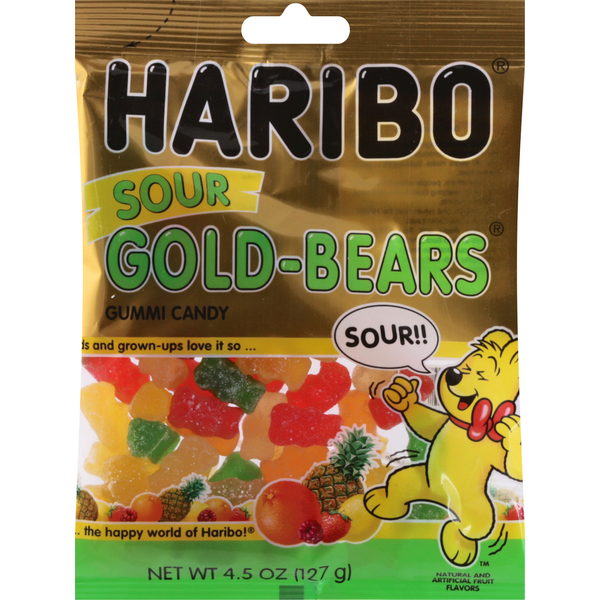
HARIBO Gummi Candy, Sour
$2.496 grocers

SmartSweets Sourmelon Bites, sour candy
$2.796 grocers
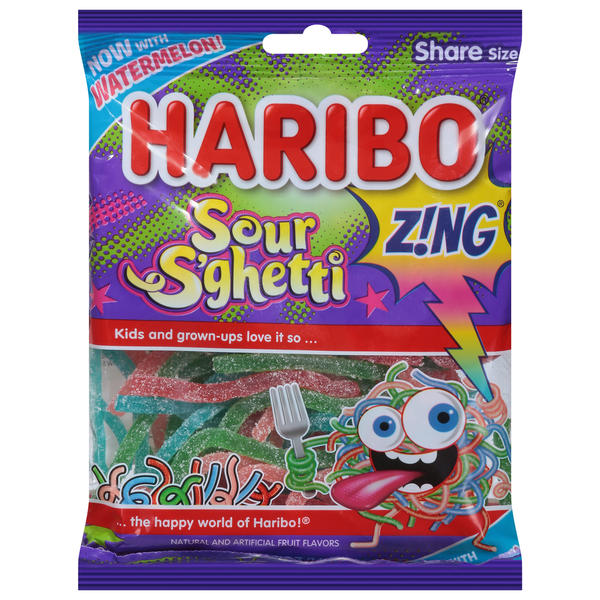
HARIBO Candy, Gummi, Sour S'ghetti, Share Size
$2.195 grocers
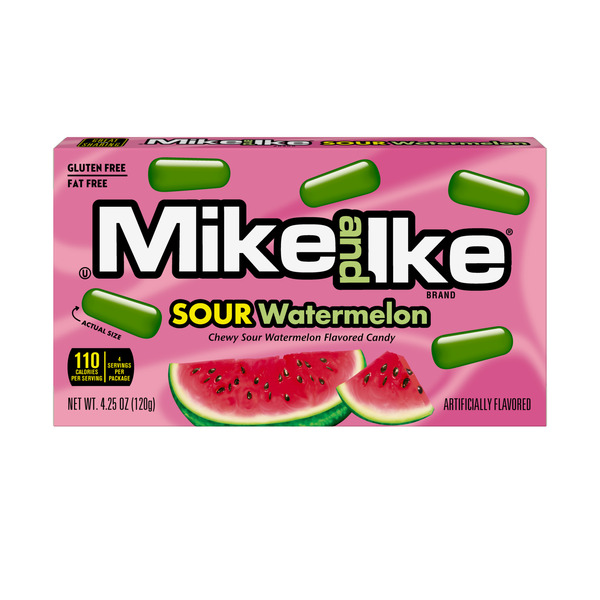
MIKE AND IKE® Sour Watermelon Box
$1.194 grocers
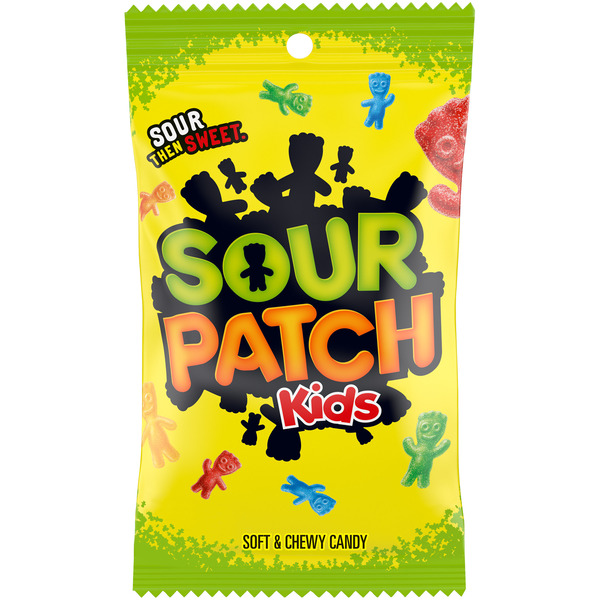
SOUR PATCH KIDS Kids Soft & Chewy Candy
$2.884 grocers
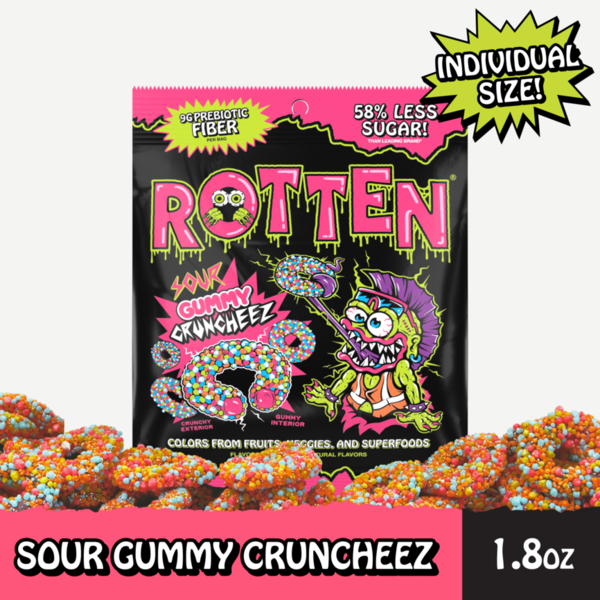
Rotten Gummy Cruncheez, Sour
$4.004 grocers
Sour Crawlers
$6.694 grocers
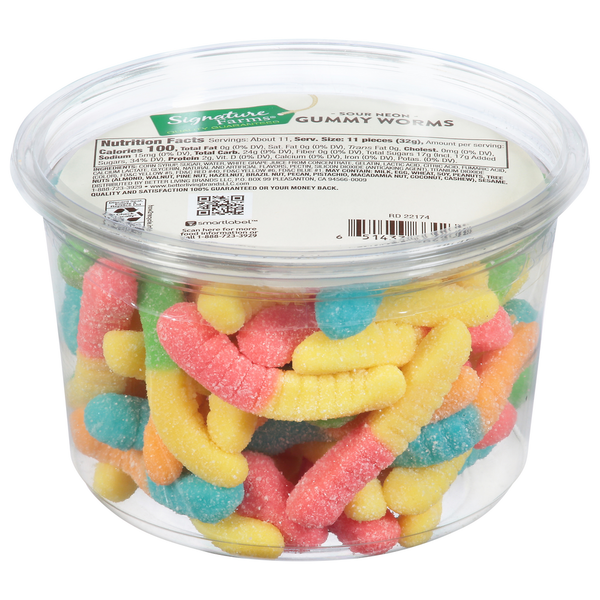
Signature Farms Gummy Worms, Sour, Neon
$6.994 grocers